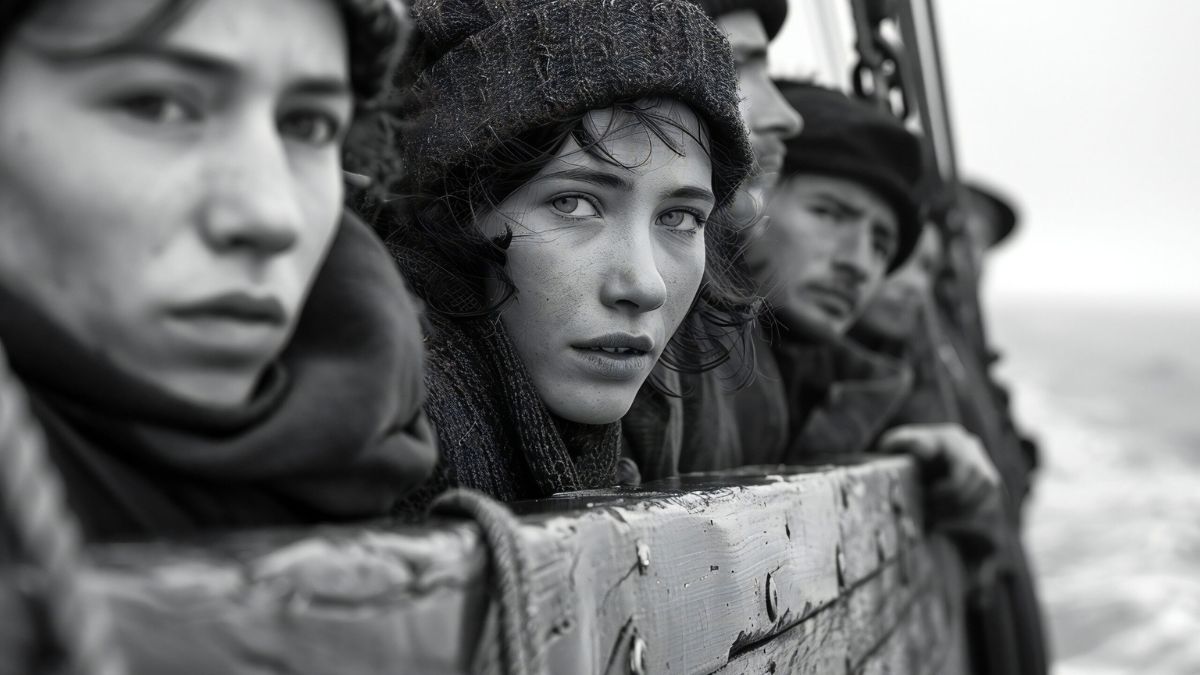
When we talk about “fascisterne”, we are referring to fascists or fascist movements, a political ideology that historically centered around strong authoritarian control, nationalism, and the suppression of opposition. The term is often used in Scandinavian languages to describe groups or individuals associated with fascist beliefs, especially during the 20th century in Europe.
Fascisterne, with its emphasis on an authoritarian state and the suppression of dissent, has left deep scars in societies across Europe and beyond. But to really understand what it means, we need to look at its origins, how it grew, what it did to societies, and why it still matters when we study politics and history today.
In this article, we will walk through the idea in a simple, human way, breaking it down so it’s easy to understand without getting lost in academic complexity.
Where the Idea of Fascisterne Comes From
The roots of fascisterne can be traced back to early 20th-century Europe, especially after World War I. Many countries were struggling economically, politically, and socially. People were frustrated, uncertain about the future, and looking for strong leadership that promised stability.
This environment allowed fascist ideology to grow. It promoted ideas like:
- A powerful central leader
- Strong national identity
- Strict control over society
- Limited political opposition
- Control over media and public speech
In simple terms, fascisterne represented a system where power was concentrated in the hands of a few, and disagreement was often not tolerated.
While different countries had their own versions, the core idea remained similar: unity through control rather than freedom of expression.
The Rise of Fascist Movements in Europe
Fascist movements gained traction in several parts of Europe during the interwar period (between World War I and World War II). One of the most well-known examples was in Italy under Benito Mussolini, and later in Germany under Adolf Hitler’s Nazi regime.
In those times, fascist groups promised to restore national pride and rebuild economies. Many people supported them because they felt traditional political systems had failed.
However, what started as promises of order and progress quickly turned into systems marked by:
- Political repression
- Propaganda and misinformation
- Control of education and media
- Elimination of opposition parties
- Persecution of minorities and dissenters
This is where fascisterne became associated not just with political ideology, but also with fear and control.
Key Characteristics of Fascisterne
To understand fascisterne better, we can break down its main characteristics in a simple way.
1. Strong Authoritarian Leadership
At the center of fascist systems is usually a single powerful leader or a small elite group. This leader is often presented as the “savior” of the nation.
2. Suppression of Dissent
One of the most defining traits is the suppression of opposition. People who disagree with the government often face censorship, imprisonment, or worse.
3. Extreme Nationalism
Fascisterne often promotes the idea that one nation or group is superior to others. This can create division and hostility between communities.
4. Control of Information
Media, newspapers, and education systems are often controlled to ensure only government-approved messages are spread.
5. Militarization of Society
Military strength is heavily emphasized, and society is often structured in a disciplined, hierarchical way.
Fascisterne and Its Impact on Society
The impact of fascist systems on societies has been deeply significant and often destructive. While some supporters believed these systems brought order and unity, the long-term effects tell a different story.
Loss of Freedom
One of the most immediate effects was the loss of personal freedoms. People were no longer free to speak openly, criticize leadership, or participate in political debate.
Fear and Control
Many societies under fascist influence lived in fear. Surveillance, policing, and strict laws created an environment where people were cautious about expressing their thoughts.
Social Division
Instead of uniting people, fascisterne often created division by labeling certain groups as enemies or outsiders.
Economic and Cultural Impact
While some fascist governments initially improved infrastructure or industry, these gains often came at the cost of human rights and long-term stability.
Fascisterne in Scandinavian Context
In Scandinavian countries, including Denmark, the term “fascisterne” is often used historically or politically to describe fascist movements or groups that existed during the 20th century or those influenced by similar ideologies.
Although these movements were never as dominant in Scandinavia as in some other parts of Europe, they still existed in certain periods, especially during World War II when parts of Europe were under occupation or political pressure.
In modern usage, the term is also sometimes used in political debates, but it’s important to be careful with it because it carries strong historical weight.
Why Fascisterne Still Matters Today
Even though fascist regimes largely declined after World War II, the study of fascisterne remains important today. Why? Because it helps us understand how political systems can change under pressure and how societies can drift toward authoritarianism if checks and balances are weak.
We can still see lessons such as:
- The importance of free speech
- The danger of unchecked power
- The value of democratic systems
- The need for independent media
- The importance of protecting minority rights
Understanding fascisterne is not just about history—it’s about recognizing patterns that can repeat if societies are not careful.
Psychological and Social Appeal of Fascisterne
One question often asked is: why did people support such systems in the first place?
The answer is complex, but a few common reasons include:
Desire for Stability
In times of crisis, people often prefer strong leadership over uncertainty.
Economic Hardship
When economies collapse, people become more willing to accept extreme solutions.
Fear of Change
Rapid social or political changes can make people feel insecure, leading them to support systems that promise order.
Propaganda Influence
When information is controlled, people may only hear one side of the story.
Understanding these factors helps us see that fascisterne did not rise in isolation—it was deeply connected to human emotions and societal conditions.
Lessons We Can Learn
Looking at fascisterne today, we can take away some important lessons:
1. Democracy Needs Protection
Freedom is not permanent unless it is actively protected.
2. Power Should Be Balanced
No single leader or institution should have unlimited control.
3. Education Matters
A well-informed society is less likely to fall into extreme ideologies.
4. Dialogue Is Important
Open discussion helps prevent polarization and misunderstanding.
5. History Should Be Remembered
Forgetting the past increases the risk of repeating it.
Modern Misuse of the Term
Today, the word “fascisterne” is sometimes used loosely in political arguments to label opponents. This can be misleading because it reduces a complex historical ideology into a casual insult.
We need to be careful with how we use such terms, because they carry deep historical meaning tied to real suffering and global conflict.
Final Thoughts
Fascisterne represents more than just a political ideology from the past—it is a reminder of how fragile freedom can be. It shows us how quickly societies can shift when fear, economic instability, and political manipulation come together.
By studying it carefully, we are not just looking at history—we are learning how to protect the future.In the end, the most important takeaway is simple: societies work best when power is balanced, voices are heard, and freedom is respected.
Stay informed with our latest news and alerts The Apkek.