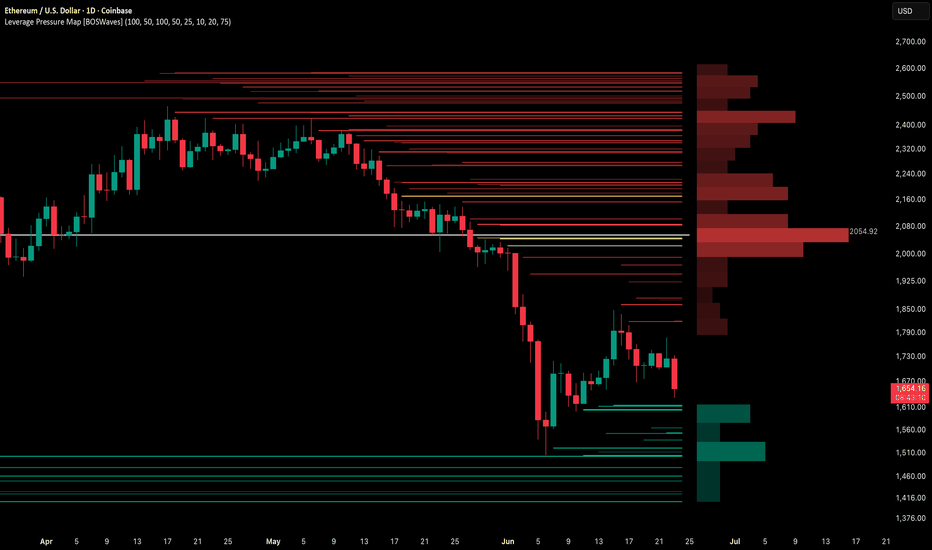
When standard price charts present a clear, linear view of asset movements, they leave out a crucial variable: order volume. Relying solely on raw candlesticks makes it impossible to see the hidden concentrations of buy and sell orders waiting just past the current market price. Gaining a visual understanding of order books via depth charts allows you to spot where real liquidity sits and anticipate where prices face structural roadblocks.
What is a market depth chart, and what does it show me?
A market depth chart is a real-time visual representation of all the pending limit orders sitting in an order book. Unlike a typical candlestick chart that records completed transactions, this layout maps out future intent. It splits the landscape down the middle into two distinct, color-coded walls. One side stacks up the cumulative buy orders (bids), while the opposite side aggregates the pending sell orders (asks).
The vertical axis typically scales the price of the asset, while the horizontal axis tracks the total volume or quantity of orders available at those price points. The empty valley sitting directly between these two colored mountains represents the current spread. By glancing at this visual landscape, you instantly see whether the immediate market is thin or packed with heavy transaction volume.
How does this visual layout help me understand what a spread actually is?
Think of the market depth chart as a live auction room where buyers and sellers are constantly shouting out their preferred terms. The highest price a buyer is willing to pay sits right at the edge of the bid wall. Conversely, the lowest price a seller is willing to accept rests at the edge of the ask wall. The structural gap between these two front lines is exactly what is a spread in trading.
If you place a standard market order, your position gets filled using those immediate front-line prices. When a depth chart shows two steep, nearly vertical walls pressing tightly together, it indicates a highly liquid market with an incredibly narrow spread. Shallow, sloping walls indicate that orders are sparse and scattered, meaning you will pay a much higher premium to enter or exit a trade.
What are order book layers, and why should I care about them?
The order book is not a single flat line; it is a complex, multi-layered staircase. The very top layer contains the best available bid and ask prices, often called Level 1 data. Directly beneath those top quotes lie subsequent layers of limit orders waiting for the price to move deeper into their territory. These deeper coordinates represent Level 2 market depth.
Understanding these structural layers is crucial because market orders consume liquidity sequentially. If you execute an exceptionally large position size, the top layer might not contain enough volume to satisfy your entire request. Your order will automatically plow through the first layer and eat into the deeper, more expensive tiers. This mechanical process is known as slippage, and it can silently distort your planned entry execution if the book is hollow.
How do I read the slopes and shapes of the depth walls?
The shape of a depth wall tells a vivid story about current market sentiment and order distribution. A massive vertical step on the chart—often called a liquidity wall—reveals an enormous concentration of resting limit orders at a specific price milestone. These heavy block zones frequently act as structural support or resistance levels because the market requires immense trading volume to chew through them.
In contrast, a long, gradual slope indicates that order volume is evenly distributed across a wide pricing spectrum. If the buy side displays a towering cliff while the sell side looks flat and hollow, it signals an asymmetric imbalance. This imbalance suggests a high volume of buyers are waiting to absorb supply, which frequently acts as a short-term floor for price action.
Why do these visual charts look different across separate asset classes?
The appearance of a depth interface depends entirely on the underlying decentralization and participant behavior of the asset you are viewing. For example, highly centralized markets like stocks or futures present clear, unified depth metrics because all transactions clear through a single exchange. Cryptocurrencies also showcase highly dynamic, volatile order charts due to heavy retail limit participation.
The foreign exchange market functions differently because it is decentralized and over-the-counter. To see true liquidity landscapes in currency trading, utilizing a platform that pulls from major institutional networks is paramount. Connecting with the best forex broker for mt5 ensures your platform gives you access to authentic Depth of Market (DOM) data streams. This advanced setup overlays tier-one institutional banking feeds directly onto your execution terminal, providing an accurate view of true wholesale market depth.
Your Practical Takeaway
Do not allow yourself to trade blindly based on simple price lines alone. Before entering a high-volume position or trading during low-liquidity market hours, open your platform’s Depth of Market panel to inspect the active order layers. If you notice a hollow valley between the bid and ask walls, or see that the deeper order layers are exceptionally thin, reduce your position size to shield your account from costly execution slippage. Integrating real-time volume depth analysis with your classic technical chart patterns ensures your entry strategies align with actual market conditions rather than theoretical concepts.